
Introduction
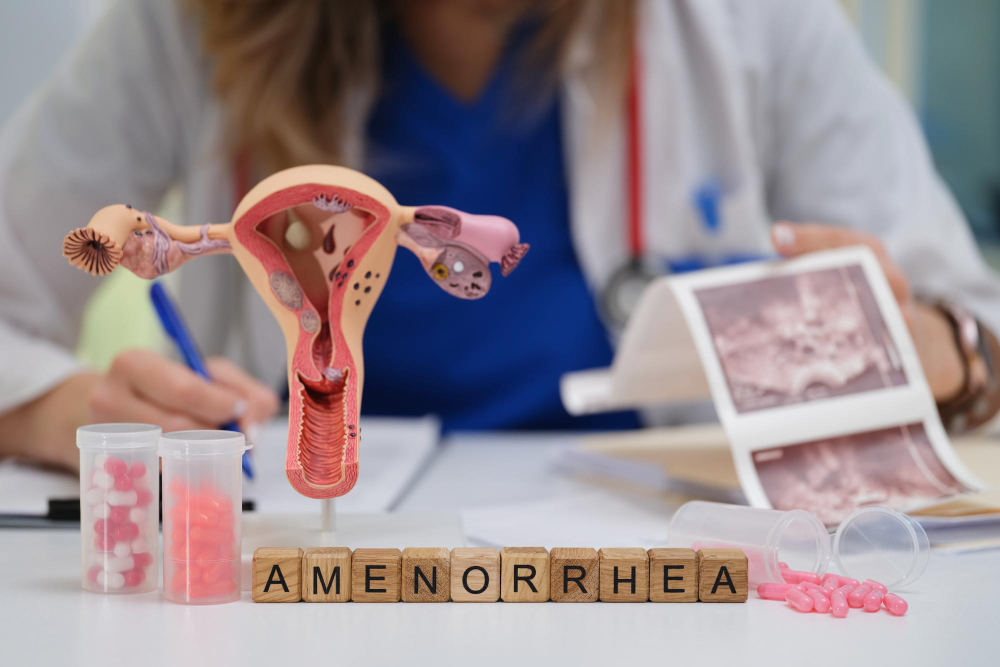
Amenorrhea means missing one or more menstrual periods. Preventing amenorrhea is important for women’s health. While a missed period can happen for many reasons, ongoing absence may signal a health issue. In fact, a healthy menstrual cycle is a sign that your body is working well. This blog will explain what amenorrhea is, its causes, and how to prevent it. We will also share amenorrhea prevention tips to help you stay healthy.
What is Amenorrhea?
Amenorrhea is when a woman does not get her period. There are two main types:
Both types need attention. However, the causes and treatments may differ. According to the World Health Organization (WHO), amenorrhea can affect women of all ages.
Common Causes of Amenorrhea
Many things can lead to amenorrhea. Some causes are simple, while others may need medical care. For example, pregnancy is a natural cause. But, other reasons include:
Because many causes exist, it is important to know your body and seek help if needed.
Symptoms and Warning Signs
Missing your period is the main sign of amenorrhea. Yet, other symptoms may appear. For instance, you might notice:
Sometimes, these signs point to a deeper health issue. Therefore, pay attention to any changes in your body.
Diagnosis: How Amenorrhea is Identified
Doctors use several steps to diagnose amenorrhea. First, they ask about your health history. Next, they may do a physical exam. In addition, blood tests can check hormone levels. Sometimes, doctors use ultrasound or other scans to look at your ovaries and uterus. According to the Centers for Disease Control and Prevention (CDC), early diagnosis helps prevent complications.
Prevention Tips for Women
While not all cases can be avoided, you can lower your risk. Here are some amenorrhea prevention tips:
By following these steps, you can support a healthy menstrual cycle. For more on how to prevent amenorrhea, talk to your healthcare provider.
When to See a Doctor
If you miss three periods in a row, see a doctor. Also, if you have other symptoms like pain or vision changes, get medical advice. Early care can help find the cause and prevent long-term problems. Remember, your doctor can guide you with the best amenorrhea prevention tips for your needs.
Conclusion
Amenorrhea can be a sign of many health issues. However, with the right steps, you can lower your risk. Eat well, stay active, and manage stress. Most importantly, consult a gynecologist for personalized advice on preventing amenorrhea.