
Introduction
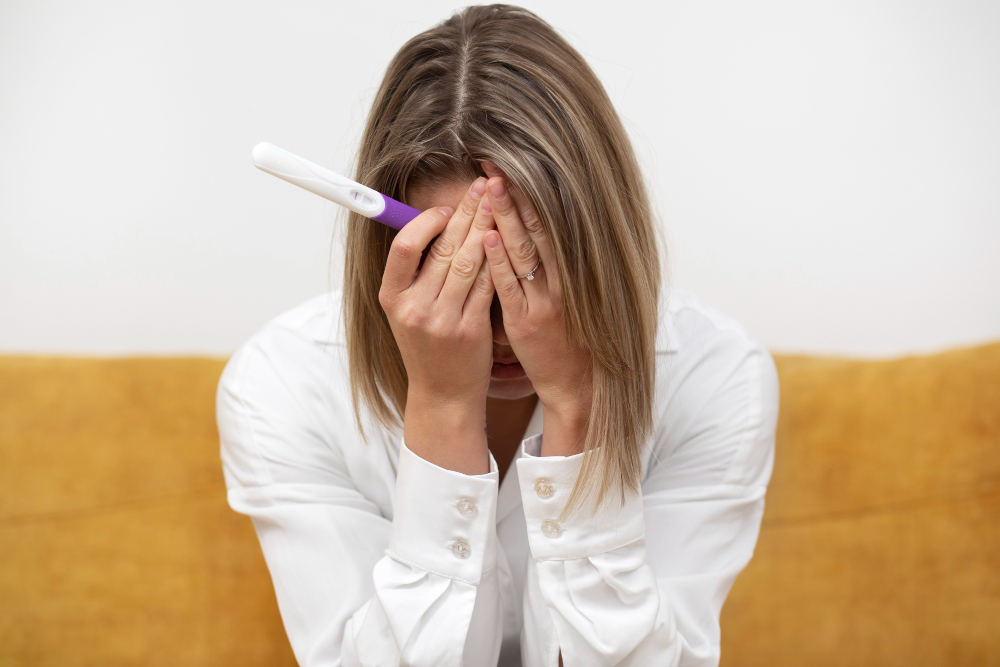
Many people believe infertility only affects older adults. However, the causes of infertility at a young age are becoming more common. In fact, early infertility causes can impact both young women and men. Understanding these factors helps you take steps to protect your health. This blog explains what infertility means for young adults, the main causes, symptoms, and ways to prevent problems.
What Is Infertility at a Young Age?
Infertility means not being able to get pregnant after trying for one year. For women under 35, doctors use this one-year mark. For men, infertility means not being able to help their partner conceive. Although many think it is rare, young adults can also face infertility. Early diagnosis is important for better outcomes.
Common Causes of Infertility in Young Adults
There are several reasons why young people may struggle with infertility. Some causes are medical, while others relate to lifestyle or the environment. Let’s look at each group.
Medical Causes
Lifestyle Causes
Environmental Causes
Genetic Causes
Symptoms and Warning Signs
Sometimes, infertility has no clear symptoms. However, there are warning signs to watch for. For women, irregular periods or no periods can signal a problem. Painful periods or pelvic pain may also be a sign. For men, changes in hair growth, sexual function, or testicle size can be clues. If you notice these signs, it is wise to talk to a doctor.
Diagnosis and When to Seek Help
If you have tried to get pregnant for a year without success, seek medical advice. But if you have known risk factors, you may want to see a doctor sooner. Doctors use blood tests, ultrasounds, and semen analysis to find the cause. Early diagnosis can improve your chances of having a baby.
Prevention Tips and Lifestyle Guidance
While not all causes of infertility at a young age can be prevented, you can lower your risk. Here are some helpful tips:
Making these changes can support your reproductive health and overall well-being.
Conclusion
Infertility at a young age can be caused by many factors, including medical, lifestyle, and genetic reasons. However, early detection and healthy habits can make a big difference. If you have concerns about your fertility, consult a healthcare specialist for personalized advice on infertility concerns.